

YouTube Shorts can help a new channel reach audiences and gain subscribers quickly, while long-form videos can build a sustained, loyal audience. The Shorts vs long videos choice has no universal answer in the available sources. Compare view growth and subscriber gains on your channel, and note that the full-revenue YPP route includes 10 million valid public Shorts views in 90 days or 4,000 public long-form watch hours in 12 months.
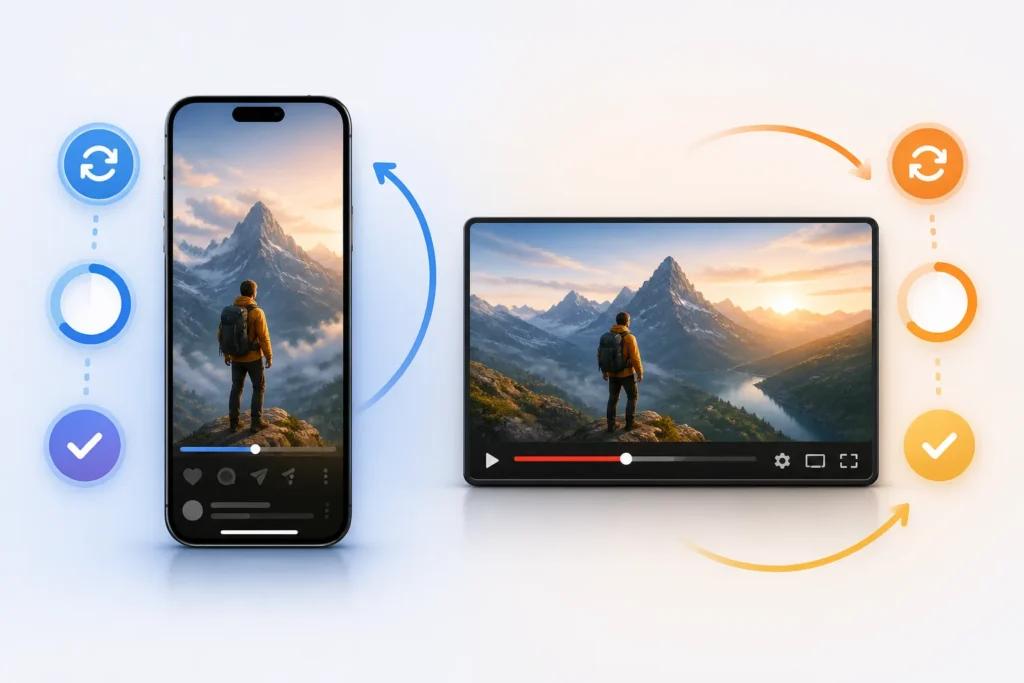
- YouTube Shorts are vertical videos up to three minutes long, designed for scrolling in a feed.
- Regular YouTube videos are typically horizontal and can run from a few minutes to several hours.
- The stated full-revenue routes include 10 million valid public Shorts views in 90 days or 4,000 public long-form watch hours in 12 months, alongside 1,000 subscribers.
- Shorts Feed watch hours don’t count toward the stated long-form watch-hour threshold.
What counts as a YouTube Short, and how does its format differ from a long-form video?
A YouTube Short is a vertical video up to three minutes long, designed for a scrolling feed. Regular YouTube videos are typically horizontal and can run from a few minutes to several hours. The YouTube app also has a separate Shorts space with a stream of content.
Pour YouTube Shorts Vs Long Videos: Which Grows A Channel Faster, first note that the formats offer different viewing experiences. A Short is built for brief, scrolling viewing, while a regular video can continue for much longer. Your format choice also depends on whether your idea suits a quick clip or a longer explanation.
| Format | Typical length | Viewing experience |
|---|---|---|
| Shorts | Up to three minutes | Vertical video in a scrolling feed; Shorts have a separate space in the app |
| Regular videos | Minutes to hours | Typically horizontal video |
Use this comparison as a format question, not a rule that every subject belongs in one format. The sources describe the formats, but don’t set one standard length for every regular video.


YouTube Shorts Vs Long Videos: Which Grows A Channel Faster?
Shorts can help a new channel reach viewers and gain subscribers quickly, while long-form videos can build a sustained, loyal audience. For faster growth, choose Shorts when rapid discovery is the priority and long-form when you want to develop ongoing audience engagement.
| Format | Growth strength | Le meilleur pour |
|---|---|---|
| Shorts | Can help creators reach new audiences and gain subscribers quickly | Rapid discovery and channel recognition |
| Long-form | Can build a sustained, loyal audience | Longer-term audience-building |
Measure growth by watching view growth and subscriber gains. One source says Shorts are evaluated partly by how quickly their views start growing. The Shorts vs long videos decision has no universal answer in the available sources: they provide no standardized timeframe or benchmark showing which format grows every channel faster. Compare the results on your own channel rather than treating either format’s potential as a guarantee.

How do Shorts and long-form videos compare in watch time, subscriber conversion, and returning viewers?
Shorts and long-form videos are assessed through different viewing behaviors. Shorts signals include whether viewers finish a Short, dismiss it immediately or return for more. Long-form recommendations emphasize keeping viewers engaged, while creators are advised to bring viewers back and build trust.
For channel growth, don’t treat views, watch time and repeat viewing as interchangeable measures. Shorts tend to attract more views and likes per view but fewer comments per view than regular videos. Long-form videos allow for higher watch time. The Shorts vs long videos choice may depend on which of those behaviors matters for your content and channel goals.
Shorts are described as helping creators reach new audiences and gain subscribers quickly. However, the available sources don’t provide comparable subscriber-conversion or returning-viewer rates for the two formats. Your format choice is therefore something to assess with your own channel data, not a universal rate to assume. Check whether viewers watch through, come back or continue to longer videos.

How do YouTube Partner Program requirements differ for Shorts views and long-form watch hours?
The stated full-revenue routes use different viewing thresholds: 1,000 subscribers plus either 10 million valid public Shorts views in 90 days or 4,000 public long-form watch hours in 12 months. For YouTube Shorts vs long videos, these requirements make the two routes distinct ways to meet the stated viewing threshold, not interchangeable metrics.
Shorts Feed watch hours don’t count toward the stated long-form watch-hour threshold. So if you’re tracking progress toward the 4,000-hour route, don’t add Shorts Feed watch time to that total.
The source also describes an expanded-program route requiring 500 subscribers, three public uploads in 90 days and 3 million public Shorts views in 90 days. Choosing a format may be a growth decision, but keep the eligibility route you’re targeting clear when you review progress. The Shorts vs long videos decision doesn’t change the thresholds: use the stated Shorts-view or long-form-watch-hour requirement that matches your route.

How much production time and equipment do Shorts and long-form videos require?
Shorts are described as quicker to produce and easier to experiment with, while longer videos require more planning, scripting and editing. For the growth question, factor production effort into your publishing plan: a format that takes more time may affect how often you can make it.
One source recommends posting long videos one to two times a week as a production-planning reference. That’s a recommendation from the source, not a universal schedule. The Shorts vs long videos choice may also depend on how much time you can give each format without sacrificing the work needed to make the content.
The available claims don’t specify equipment requirements for Shorts or long-form videos, so they don’t support a particular camera, microphone or editing setup. Start by comparing the production steps you actually need: scripting and editing demands are specifically noted for longer videos. Your format choice is best considered alongside the workload you can sustain, rather than an assumed equipment list.


How can you use Shorts to bring viewers to your long-form videos?
A Short can tease an educational topic and invite viewers to watch the fuller tutorial. You can also use a Short as an announcement that directs viewers to a long video on your channel. For YouTube Shorts vs long videos, think of the Short as a way to introduce the longer video, not as proof that viewers will move between formats.
A supported repurposing workflow is to make the long video first, edit it into short clips, format those clips square or vertical, add captions and publish them. Choosing a format can then be a practical test of whether short excerpts help introduce your longer material.
- Create the full video before selecting clips.
- Edit short excerpts and format them square or vertical.
- Add captions and publish the clips.
- Use a clear invitation and, when sharing a teaser, include a link to the full video as suggested by the source.
The Shorts vs long videos decision still depends on what viewers choose to watch. The available sources support using both formats when possible.
What risks come from Shorts and long-form videos attracting different viewers?
Shorts and regular videos may attract distinct audiences, and the sources describe limited overlap between viewers of vertical and horizontal formats. The growth question should therefore include an audience-fit question: do people who find your Shorts also show interest in your longer videos?
Check how viewers respond to each format on your channel instead of assuming that a Short’s audience will automatically become a long-form audience. The Shorts vs long videos choice doesn’t have a guaranteed outcome in the sources, and they don’t establish a specific algorithm penalty for using both formats.
Keep the topics and viewer needs connected when you use Shorts to introduce longer content. Then review whether the short clips lead viewers to engage with the longer videos. The available claims support the possibility of separate audiences, but don’t provide a rate for audience overlap. Your format choice is a reason to check that relationship, not to assume that one format will harm the other.

How should you compare Shorts and long-form performance in YouTube Analytics?
Use Average View Duration to assess how your videos are performing. YouTube Shorts vs long videos is easier to evaluate when you also track Shorts analytics, as one source recommends.
Test different posting days and times, then check when audience activity is higher. You can also review when subscribers are most likely to be on the platform and post at those times. Choosing a format calls for comparing your own channel’s results, not assuming that the same schedule will work for every creator.
Keep the comparison focused: review Average View Duration, track Shorts analytics, and note audience activity around your publishing times. The available sources don’t specify a complete, like-for-like Analytics method for every metric, so don’t treat unlike measures as direct equivalents.
The Shorts vs long videos decision is a question your channel data can help you explore over time. If you’d like help reviewing your channel, you can request a free YouTube channel audit from DigiSphere.

Principaux éléments à retenir
- Use Shorts when rapid discovery is your priority, and consider long-form for sustained audience-building.
- Track view growth and subscriber gains, but don’t assume there’s a universal growth timeframe for either format.
- Compare Shorts viewing signals, such as finishing or dismissing, with long-form watch time and repeat viewing.
- Keep Shorts Feed watch hours separate from the stated long-form watch-hour threshold.
- Test posting days and times against audience activity, and review Average View Duration.
- Test YouTube Shorts vs long videos on your own channel for a few months and let your subscriber growth decide the mix.
Foire aux questions
What counts as a YouTube Short?
A YouTube Short is a vertical video up to three minutes long, designed for scrolling in a feed. Regular YouTube videos are typically horizontal and can run from a few minutes to several hours.
Which format grows a new channel faster?
Shorts can help a new channel reach audiences and gain subscribers quickly, while long-form videos can build a sustained, loyal audience. The available sources don’t give a standardized timeframe or benchmark for which format grows every channel faster.
What are the YouTube Partner Program requirements for Shorts and long-form videos?
The stated full-revenue routes require 1,000 subscribers plus either 10 million valid public Shorts views in 90 days or 4,000 public long-form watch hours in 12 months. Shorts Feed watch hours don’t count toward the long-form threshold.
How much time and equipment do Shorts and long-form videos require?
Shorts are described as quicker to produce and easier to experiment with, while longer videos require more planning, scripting and editing. The available claims don’t specify equipment requirements.




 English
 Español
 Deutsch
 Français
 Italiano
 العربية