

How To Get Views On YouTube Without Subscribers
You can get YouTube views before you have subscribers by choosing topics people search for, making useful videos, and improving how they appear in search and recommendations. How To Get Views On YouTube Without Subscribers starts with a clear promise to a specific viewer, not a large existing audience.
Subscribers can provide early viewership, but YouTube also shows videos to people based on topic relevance and viewer response. Strong video views can come from YouTube Search, suggested videos, Shorts, or external sources when the video suits the viewer.
Use these practical priorities to build organic reach and earn free views. No tactic can promise rankings, viral growth, or a specific view count; useful content and iteration take time.
- Choose targeted topics that answer a real audience question.
- Improve titles and thumbnails so viewers understand the value at a glance.
- Hold attention with a direct opening and clear delivery.
- Publish Shorts that introduce viewers to related channel content.
- Review Analytics to find discovery and retention clues.
- Promote responsibly where your video genuinely answers a question.
Think of How To Get Views On YouTube Without Subscribers as a repeatable process: make a relevant video, help the right person find it, then learn from how viewers respond. You don’t need to wait for a subscriber base to start. You do need to make each upload useful enough to deserve attention.


How do you choose topics viewers will actually watch?
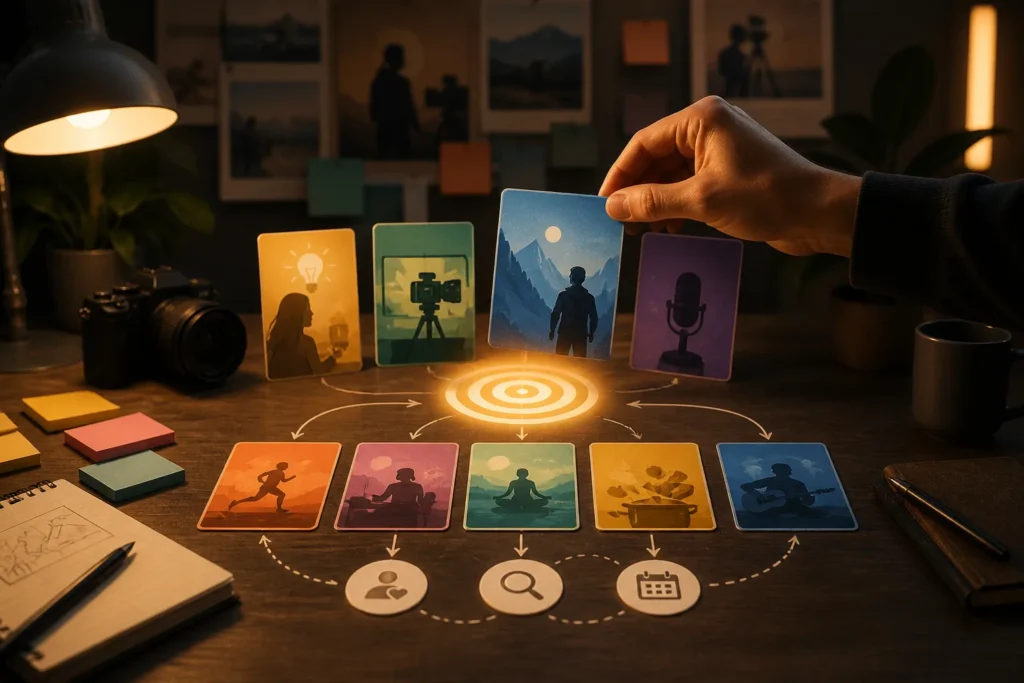
Choose a clear niche and keep your channel focused enough that a new visitor can tell what you offer. A consistent topic category helps viewers decide whether to watch another video and gives YouTube clearer context about the people likely to value each upload.
Start content planning with audience problems rather than a list of subjects you feel you should cover. For example, a fitness channel can serve people who are unsure how to begin with a specific video such as “Fitness Tips for Beginners: A Simple First-Week Plan,” rather than a broad overview of fitness.
- List problems your target audience asks about. Include practical questions, common mistakes, and decisions they need to make.
- Research specific searches by typing those questions into YouTube search and noting relevant suggestions. Look at questions your viewers or customers already ask, too.
- Group related ideas into a few themes, such as beginner workouts, meal preparation, or exercise form.
- Plan a series so a viewer who likes one answer has a logical next video to watch.
- Check your ability to answer each question accurately and clearly before committing to the topic.
Specific ideas such as “HIIT workouts for beginners” or “money-saving hacks for home workouts” can attract a more defined audience than a generic fitness topic, provided you can deliver useful advice. Engaging content earns audience trust when it is accurate, fulfills the title’s promise, and gives viewers a sensible next step. This kind of topic selection is central to How To Get Views On YouTube Without Subscribers: relevance comes before volume.
How can YouTube search and thumbnails bring in more views?
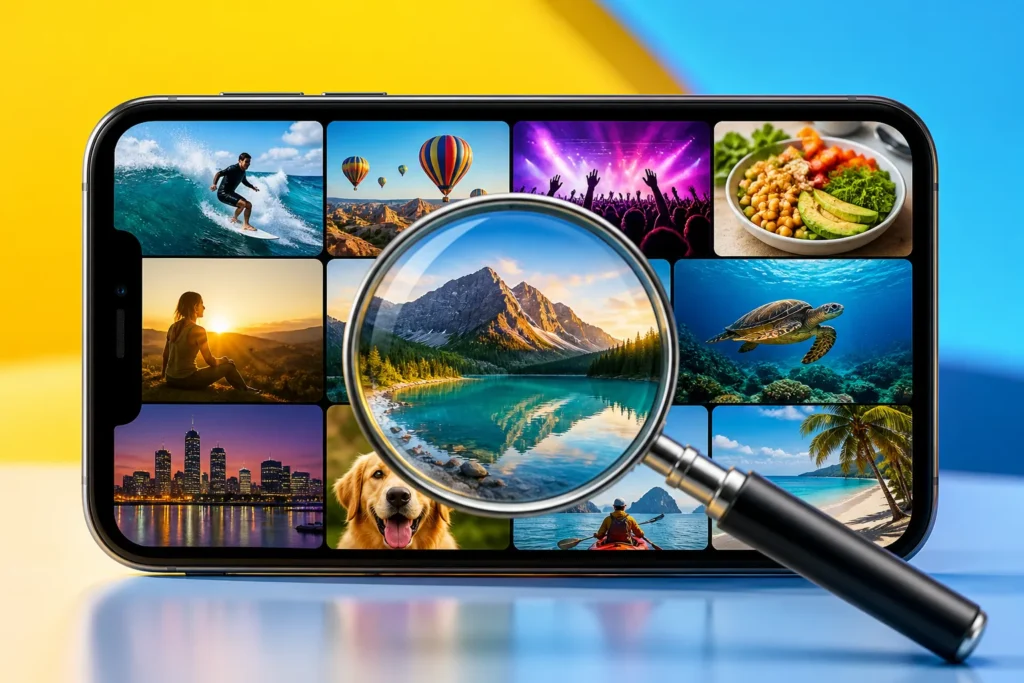
YouTube SEO helps the right viewer understand what a video covers. Begin with keyword research: identify the words your target viewer might use, then give each video one clear topic. A title, description, thumbnail, and the video itself should all support the same promise.
- Write a descriptive title that makes the topic clear. Put the main subject naturally near the start.
- Explain the video in the description. Summarize what viewers will learn and include related wording where it reads naturally.
- Add relevant tags to provide context, but don’t treat them as a substitute for a clear title or useful video.
- Match the spoken content to the promise. If the title says “first-week plan,” deliver that plan instead of spending most of the video on general background.
Example: A title could be “Fitness Tips for Beginners: Your First Week of Workouts.” A description could begin, “Build a simple first-week routine with beginner-friendly workouts, rest days, and tips for getting started safely.”
An impression is an occasion when YouTube shows your thumbnail. Click-through rate (CTR) is the share of impressions that turn into views. CTR needs context because traffic sources and audiences differ. A thumbnail shown to people already looking for your topic may perform differently from one shown to a broader audience.
Design thumbnails around one clear subject, readable contrast, and a visual idea that complements rather than repeats the title. For the fitness example, show a beginner preparing for a workout with a simple “Start Here” visual cue. Use YouTube Studio’s Test & Compare when available. Better packaging can earn more click-throughs and improve a video’s visibility, but CTR alone doesn’t guarantee YouTube recommendations. These are practical parts of How To Get Views On YouTube Without Subscribers, not promises of reach.

How do you keep new viewers watching?
Your opening hook should quickly show viewers what they will learn or see. The first few seconds matter because a person who clicked for a specific answer needs to recognize that the video is delivering it. State the outcome, show the result, or begin with the first useful step.
Then keep the video moving. Use sharp editing to remove long introductions, repeated points, and pauses that delay the promised value. Clear storytelling still matters: explain the problem, show the process, and make the outcome easy to follow. Editing should make the explanation clearer, not make it feel rushed.
Audience retention describes how much of a video viewers continue watching over time. In YouTube Studio Analytics, open the audience-retention report to spot early drop-offs and sections viewers replay or leave. A drop can point to a slow start, a confusing explanation, or a gap between the title’s promise and the video. A replay may show that viewers found a particular demonstration useful.
- Compare retention across videos with similar topics and formats.
- Inspect the moments where viewers leave or replay.
- Identify one likely cause, such as a long setup before the answer.
- Test one specific change in your next upload, such as showing the finished result sooner.
When a viewer wants more, use an end screen, a relevant card, or a playlist to point to the next useful video. Place these prompts where they support the viewing experience rather than interrupting a key explanation. Helping interested viewers continue can support subscriber growth, too. For How To Get Views On YouTube Without Subscribers, a satisfying first view is the foundation for a second one.

Can Shorts and playlists help you get more YouTube views?
Shorts can introduce your channel to people who have never subscribed. Longer videos and playlists can then give interested viewers more depth on the same subject. Treat a Short as a complete, useful idea with a natural path to a related video, not merely as an advertisement for the rest of your channel.
Create original Shorts or make meaningful edits from longer videos. Add a fresh explanation, context, or a focused edit that makes the short-form version useful on its own. Since October 1, 2026, the Shorts feed gives less reach to re-uploaded content without meaningful changes. Avoid reposting an unchanged clip; contribute original commentary, context, or editing instead.
There is also a difference between public view counts and monetization measurement. Since August 24, 2026, public Shorts view counts start from the first frame, while earnings and YouTube Partner Program eligibility still use engaged views. A displayed view count therefore doesn’t by itself tell you how many views qualify for those purposes.
- Group related videos into a playlist that follows a useful sequence, such as beginner setup, technique, and next steps.
- Add a relevant card when another video answers a question that arises during the current one.
- Choose an end screen that points to the most natural follow-up or playlist.
- Connect Shorts to longer content only when the longer video genuinely expands on the Short.
These formats give new viewers more than one way to discover your work and continue watching. For How To Get Views On YouTube Without Subscribers, make each step between videos feel like a useful recommendation rather than a forced funnel.

How can you promote videos beyond your current audience?
Share a video where it directly answers a question. A relevant online community, your email list, or another social platform can bring traffic to a YouTube video, but repeated or unsolicited posting can annoy people and weaken trust. Add a short explanation of why the video helps, and follow each community’s rules.
Collaboration is another way to reach people outside your subscriber base. Choose a creator, coach, local business, or brand with an overlapping audience. Agree on a useful topic, divide the work clearly, and give each audience a specific reason to watch. For instance, a local trainer and a neighborhood sports shop could make a beginner’s guide to choosing equipment for a first workout.
Paid ads are optional. You can test video promotion through Google Ads by setting a capped budget you can afford, choosing an audience relevant to the video, and deciding what action you want viewers to take. Review whether people watch or take that next step before deciding to continue. CPV, or cost per view, describes the cost of an ad view. It doesn’t measure viewer quality or long-term value. Ads don’t guarantee organic reach or subscriber growth.
If you’re evaluating a service or a search such as “Build My Plays,” ask what the provider actually delivers and how it complies with YouTube policies. Never buy views or engagement. DigiSphere lists options including YouTube Video SEO, Social Media Ring video sharing for authority signals, backlinks, Google Ads video promotion, thumbnail design, and Shorts creation. Treat these as services to evaluate, not guarantees of rankings or views.
Responsible promotion can help a good video find relevant people, but it can’t replace useful content. That distinction matters when you’re working on How To Get Views On YouTube Without Subscribers: seek qualified viewers, not inflated numbers.
What should you check in YouTube Studio when views are low?
Use YouTube Studio Analytics to find clues about discovery and viewing behavior. Open a video’s Reach tab and review impressions, CTR, and traffic sources, including YouTube Search, suggested videos, and external sources. Each source tells you something different about how viewers encountered the upload.
Pair Reach data with the audience-retention report. Low impressions may point to a topic or discovery issue, though they don’t prove the cause. If people click and leave quickly, check whether the title and thumbnail set an expectation the opening fails to meet. A video can attract clicks and still disappoint if it delays the answer.
- Select one video with lower views than you expected.
- Check where viewers found it in the traffic-source report.
- Inspect impressions and CTR in the Reach tab.
- Review retention and note where viewers leave or replay.
- Compare the results with related uploads on your channel.
- Choose one change to test next, such as a clearer title or a faster opening.
The YouTube algorithm responds to relevance and viewer behavior, not a simple subscriber-count threshold. Analytics are clues, not guarantees, so avoid changing several things at once and then guessing which change mattered.
If you evaluate revenue, RPM means revenue per thousand views after YouTube’s share, while CPM means advertiser cost per thousand ad impressions. These monetization measures matter when assessing revenue, not basic view discovery. For How To Get Views On YouTube Without Subscribers, start with Reach and retention before worrying about revenue metrics.

How To Get Views On YouTube Without Subscribers: What should you do next to turn views into channel growth?
Give your next upload a focused plan. Choose one audience problem, research a targeted topic, draft a clear title, create a complementary thumbnail, and publish with a strong opening. After viewers have had time to find the video, review Analytics and choose one specific improvement for the next upload.
- Select one question your audience needs answered.
- Check YouTube search suggestions and relevant audience questions for a precise angle.
- Draft a title that states the answer or outcome clearly.
- Design a thumbnail with one visual idea that supports the title.
- Open with the promised value, then remove anything that delays it.
- Review Reach and retention after the video has had time to gather data.
When a video attracts relevant viewers, build on it with a follow-up that answers the next question. Link the videos through a playlist or end screen. Invite viewers to subscribe after you have delivered useful value, rather than treating a subscription request as the video’s main payoff.
Views and YouTube Partner Program eligibility are separate questions. Under the YouTube announcement dated August 10, 2026, through January 31, 2027, full ad revenue sharing requires 1,000 subscribers plus either 4,000 public watch hours in the past months or million public Shorts views in the past days. From February 1, 2027, new applicants need 1,000 subscribers plus either 8,000 watch hours in the past months or million Shorts views in the past days. Channels already in YPP keep their status, and Shorts feed views don’t count toward watch hours.
The fan funding and Shopping tier remains at subscribers plus either 3,000 watch hours or million Shorts views. You may also earn business revenue from useful videos through leads or sales, even when you don’t qualify for YPP. That is different from YouTube ad revenue sharing. Build a body of helpful videos and make the next step for a potential customer clear.
How To Get Views On YouTube Without Subscribers is a process of matching useful videos with the people who need them, then improving what the evidence suggests. If you’d like an outside review, you can request a free YouTube channel audit from DigiSphere. The agency is led by Michael, a Fiverr Top Rated Seller with 15+ years in digital marketing, 10,000+ completed orders, 5,000+ five-star reviews, and 6,000+ YouTube creators optimized.

Key Takeaways
- Choose a focused topic that answers a real audience question, then organize related uploads into a series.
- Make the title, description, thumbnail, and opening agree on what the viewer will get.
- Use Reach and audience-retention reports in YouTube Studio to identify one practical change at a time.
- Use Shorts, playlists, end screens, collaborations, and responsible promotion to help relevant new viewers discover more of your channel.
- Treat views, subscriber growth, YPP eligibility, and business revenue as related but distinct outcomes.
Frequently Asked Questions
How many followers do you need to get paid on YouTube?
For full YouTube Partner Program ad revenue sharing, the stated threshold through January 31, is 1,000 subscribers plus either 4,000 public watch hours in the past months or million public Shorts views in the past days. New applicants from February 1, need 1,000 subscribers plus either 8,000 watch hours or million Shorts views. A lower fan funding and Shopping tier is available at subscribers with additional viewing thresholds.
Who has subscribers?
Several major YouTube creators and channels have reached or passed million subscribers, and the exact list changes over time. Check the channel’s current YouTube profile for an up-to-date subscriber count.
How do you get subscribers on YouTube fast?
There is no reliable shortcut that guarantees 1,000 subscribers. Choose a clear channel focus, publish useful videos for a specific audience, improve titles and thumbnails, and make it easy for viewers to find a relevant next video. Avoid buying subscribers or engagement.
How to earn from YouTube without subscribers?
You can use useful videos to attract business leads or sales even if you aren’t eligible for YouTube ad revenue sharing. YPP monetization has subscriber and viewing requirements, so views alone don’t qualify a channel for full ad revenue sharing.
Can you get YouTube views without subscribers?
Yes. Viewers can find videos through YouTube Search, suggested videos, Shorts, and external sources without subscribing first. Make the topic clear, deliver what the title promises, and use Analytics to improve future uploads.
Do tags help YouTube videos get more views?
Relevant tags can add context, but they don’t replace a clear title, an accurate description, a useful video, or a compelling thumbnail. Focus first on matching the video to a specific viewer need.




 English
 Español
 Deutsch
 Français
 Italiano
 العربية